
USDA Reports Record Honeybee Colony Losses in 2025 — What It Means for the Mid-South
The USDA Agricultural Research Service released its annual honeybee colony loss survey in early 2026, and the numbers are alarming. U.S. beekeepers reported losing more than 40% of their managed colonies over the 2024–2025 survey year — the steepest single-year decline recorded in the survey's history.
For beekeepers, farmers, and anyone who eats food that depends on pollination, this is not an abstract statistic. It's a crisis playing out in backyards, orchards, and apiaries across the country — including right here in the Mid-South.
What's Behind the Losses?
The USDA survey points to a familiar but worsening combination of factors. Varroa mite infestations remain the leading cause of colony death, with mite populations increasingly resistant to the chemical treatments beekeepers have relied on for decades. Pesticide exposure — particularly neonicotinoids applied to row crops — continues to weaken immune systems and impair navigation in forager bees. Habitat loss reduces the diversity of forage available to colonies, leaving bees nutritionally stressed heading into winter.
In 2025, an unusually warm and dry summer across the Southeast compounded these pressures. Nectar flows dried up earlier than normal. Colonies that would typically build strong winter stores came up short, and winter mortality spiked as a result.
What This Means for Tennessee, Mississippi, and Arkansas
The Mid-South sits at a complicated intersection. The region's mild winters historically gave local beekeepers an advantage — colonies build up faster and swarm earlier than in northern states. But that same warmth accelerates varroa reproduction cycles, meaning mite loads can reach damaging levels faster than beekeepers can treat them.
The 2025 drought that gripped much of Tennessee and northern Mississippi hit local colonies hard. Goldenrod and aster — the two most critical late-season nectar sources for winter prep — produced poorly. Beekeepers across Shelby County reported feeding colonies through fall just to keep them alive, a practice that strains both the beekeeper's budget and the colony's long-term health.
Why Every Rescued Colony Counts
Against this backdrop, the decision to spray a honeybee colony rather than remove it alive carries more weight than ever. Every established colony that gets killed with pesticide is a genetic resource lost — a queen that may carry locally adapted traits for heat tolerance, mite resistance, or foraging efficiency that took years to develop.
When Bees Knees Apiary removes a colony from your wall or attic, those bees go to a managed apiary or a partner farm. They don't disappear. They become part of the solution — pollinating crops, producing honey, and contributing to the genetic diversity that the regional bee population desperately needs right now.
What Homeowners Can Do
You don't have to be a beekeeper to help. The single most impactful thing a homeowner can do is choose live removal over extermination when bees move into their home. Beyond that: plant native flowering species, reduce pesticide use in your yard, and leave a little wildness at the edges of your property where bees can forage.
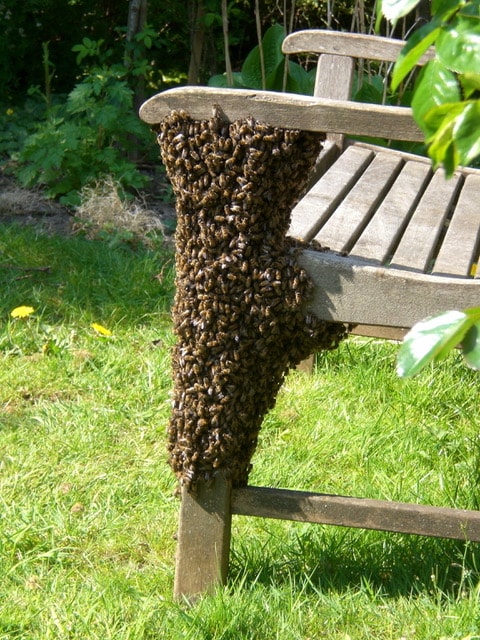
If you find a swarm or an established colony on your Memphis-area property, call us before you call an exterminator. We'll tell you exactly what you're dealing with — and we'll make sure those bees have a future.